
An Update on the April 21 Frost
I’ve been getting a lot of questions about the effects of last week’s devastating frost at Dodon, when no vine was left untouched, despite improved cold-air drainage in the low spots and the fans running in a futile attempt to bring warm air into the vineyard.
I’ve been getting a lot of questions about the effects of last week’s devastating frost at Dodon, when no vine was left untouched, despite improved cold-air drainage in the low spots and the fans running in a futile attempt to bring warm air into the vineyard.
Many of our colleagues took even more desperate measures, such as scalping the ground with mowers, applying nutrients to disrupt nucleation and alter intracellular osmolarity, and using helicopters, open fires, and smudge pots, all of which can create air circulation. None of this worked. There was simply too much cold air. Only the vineyards along the Chesapeake and at 6-800 feet above a valley floor survived unscathed.
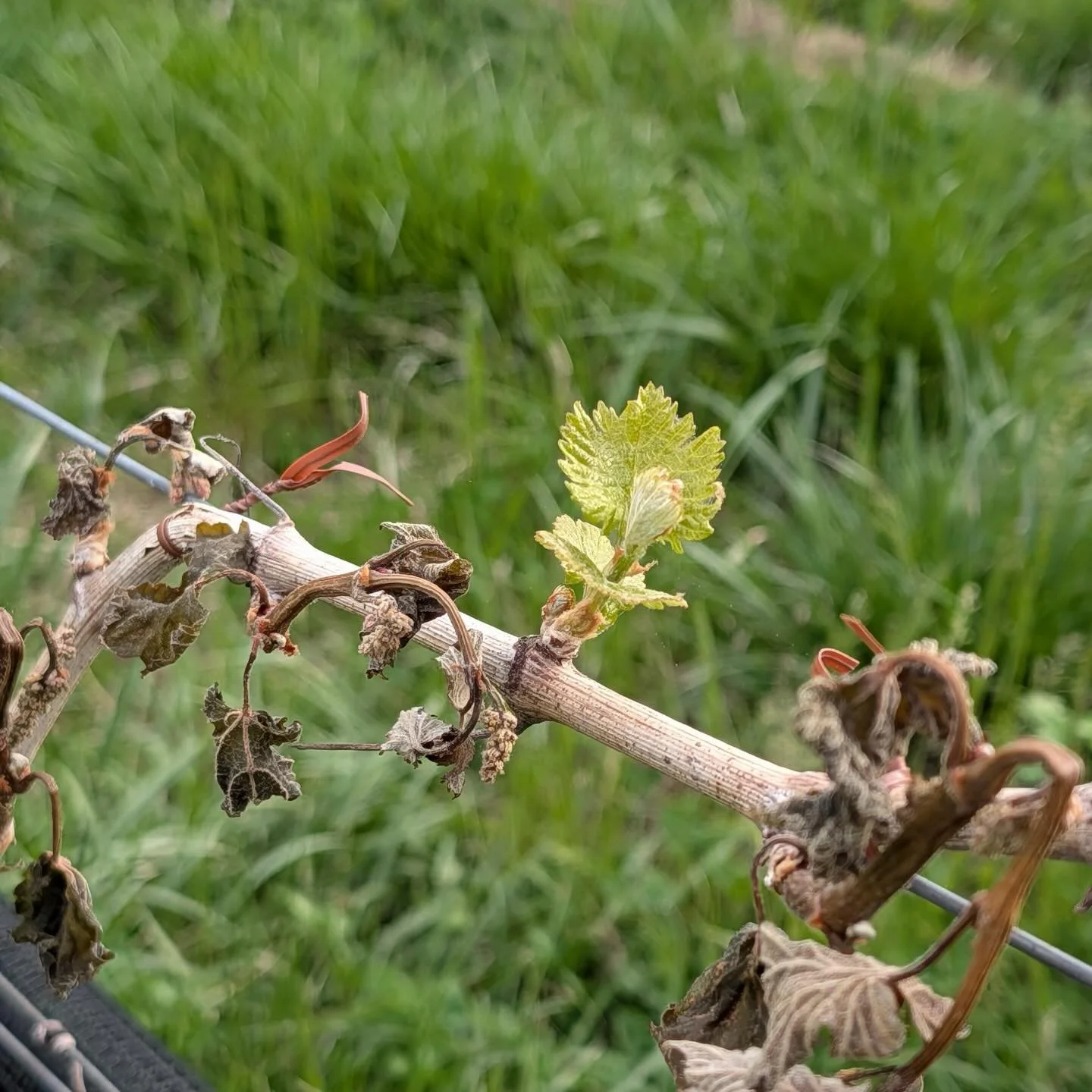
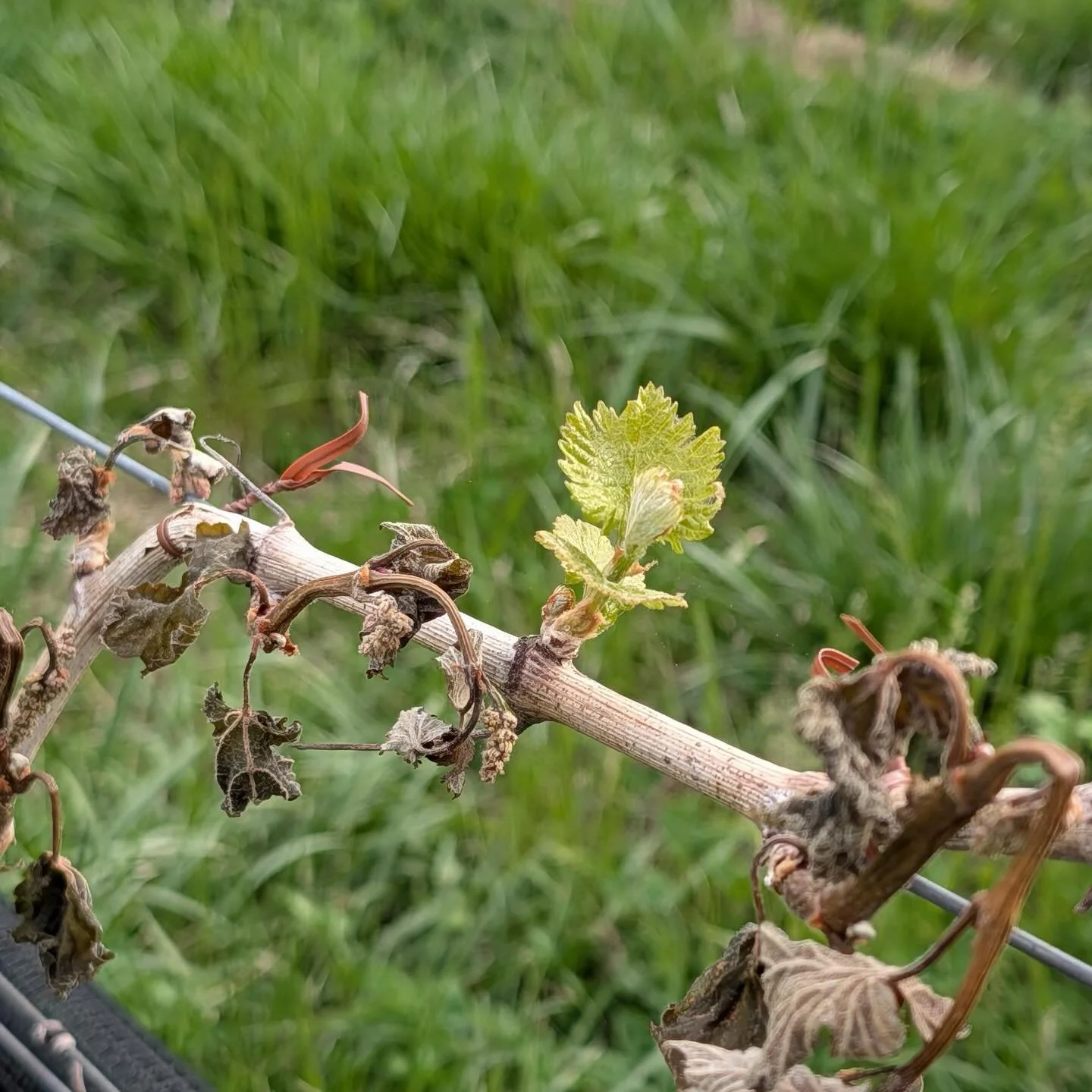
It was worse than it looked. As the highest and warmest spot in the vineyard, the Merlot in the first few rows of Block 41 along the driveway was the least affected, but even these vines showed signs of damage. We lost almost all the primary buds in the Chardonnay, Cabernet Franc, and Sauvignon. The Merlot, Petit Verdot, and Cabernet Sauvignon were not quite as far along, so a few primary buds had yet to break, but even these sustained severe damage.
Fortunately, grapevines have compound buds. Usually, only the primary buds emerge. These are the most vigorous and fruitful, producing shoots that bear two or more clusters. If the primary buds fail to break or are damaged by frost or other injury, secondary buds emerge within hours or days. Much of the green tissue in the vineyard now is the result of these buds. Sadly, they are much less fruitful than the primary buds, producing at most a single cluster.
It's much too early to know the full extent of the damage to the vintage. We won’t know this until fruit set in mid-June at the earliest, and even then, the growing season will bring many challenges. My best guess is that we can reasonably expect a crop of 30-40% of normal, about 12 to 15 tons of fruit or 700 to 900 cases of wine, most of which will likely go to white and rosé production. Some of our industry colleagues have already declared the vintage a complete loss, laying off workers in the process.
Because it takes vines several years to fully recover from an injury of this magnitude, the losses are likely to continue beyond 2026. The white vines first frosted in 2020 and again in 2021 and 2022 still haven’t returned to full productivity. We don’t know whether the ecological practices we use will alter this course, though it makes sense that healthy, well-nourished vines in a functioning ecosystem will heal faster than unhealthy vines planted in poor soil.
Fortunately, our business plan anticipates these events, so we’re likely to be fine in the long run, at least this time around. But the longer term is still unclear. We had never experienced a killing spring frost until 2020. They are now annual occurrences, adequately addressed by the cold drains, at least until now.
The underlying challenge is warming driven by fossil fuel combustion and outdated agricultural practices. Hotter winter temperatures trigger earlier bud break, extending the risk period. At the same time, atmospheric warming disrupts the polar vortex, allowing cold Arctic air to dip into temperate regions later in the season. The slowdown of the Atlantic Meridional Overturning Circulation (AMOC) compounds this cooling. These problems are worsening.
Members of the global wine industry have responded vigorously to the harmful effects of climate change and environmental degradation through global organizations such as the Porto Protocol Foundation, the Regenerative Viticulture Foundation, the International Wineries for Climate Action, and locally through the Dodon Center for Ecological Farming, which Polly and I established last year. We hope you will join us by becoming informed about the challenges of climate change, supporting these and many other climate-focused groups, talking with your neighbors about what you learn, and taking other practical steps. The wine industry may be among the first to experience the full effects of climate change, but it will not be the last.
Farming in Service of Nature
Loss of biodiversity may be humanity’s greatest threat, even more than climate change. Food production is the primary cause. At Dodon, we seek to reverse this trend and thus enhance the ecosystem services that will allow us to reduce our physical and chemical footprint…
written by: Tom Croghan, co-owner and winemaker
When we planned the first vineyard field trials in 2007, Polly and I aimed to produce high-quality wine with a light environmental footprint. And from the beginning, our viticulture received high marks for sustainability.
Sadly, our farming at the time was misguided. The landscape had been devastated by centuries of conventional agriculture. Our “sustainable” practices reduced the rate of harm, but they did not reverse it. Instead, we were unintentionally perpetuating a methodical march to environmental degradation.
Over the last decade, we have drawn from many sources outside of viticulture to learn methods consistent with our values, including the traditional methods of Cuban farmers who fed a nation following the collapse of the iron curtain, novel science that explains the inner workings of ancient ecosystems, and the inspiration of our colleagues at Future Harvest.
Rather than preserve the destructive cycles of our early years, our farming practices now focus on regenerating soil health, restoring biodiversity, and enriching ecosystem function. We aim to create a wholesome environment for the vines and those who work with them by reducing chemical, plastic, and nutrient pollution while enhancing biological activity.
Regenerating Soil Health

Healthy soil is a complex ecosystem composed of living organisms (microbes, invertebrates, and roots), organic matter (the remains of these once-living things), rocks, water, and air-filled pores. Winemakers like to talk about the unique minerals that produce all the fine qualities of the wine they make. But soil’s real value is in the living part and its detritus.
The Chesapeake Bay’s western shore soil in the 17th century likely contained about 5% organic matter. It was less than 0.3% by the time we first planted grapevines. The structure and composition of the soil had significantly shifted from its native configuration.
A few dominant bacterial species replaced the diverse microbes that maintain woodland ecosystems. None of the nematodes, arthropods, or earthworms crucial for nutrient cycling, soil structure, and fertility remained.
At Dodon, we rely heavily on the tools of agroecology to regenerate the soil. Our goal now is to accelerate, as much as possible, the natural soil-building processes that once dominated the region.

We start by limiting tillage to the area under the vines and cultivating diverse cover crops in and around the vineyard. After experimenting with non-native cover crops like mustard, radishes, and annual ryegrass, we’ve learned that spontaneously growing, perennial grasses and forbs adapted to the local environment are best.
Our recent surveys reveal up to thirty different species per square meter. This extraordinary plant diversity is associated with improved soil structure, diverse microbial populations, large below-ground invertebrate populations, excellent water infiltration and storage, and high soil oxygen content.
Second, we apply organic amendments that add carbon and other essential nutrients to the soil. Using a foundation of ramial woodchips, we balance the compost with azolla. This rapidly growing aquatic plant scavenges the nutrients in the runoff from Dodon’s horse pastures. We also add the byproducts of our winemaking – spent yeast, stems, and skins. These practices both build soil and reduce the eutrophication that results in the Bay’s dead zones.

We incorporate indigenous microorganisms into the compost using soil from the surrounding forest. These bacteria, fungi, and archaea suppress disease by improving vine nutritional status, activating plant defense mechanisms, secreting antimicrobial substances, and increasing tolerance to injury. They also produce complex macromolecules, such as ascorbic acid, terpenes, and polyphenols, that defend the plants and make flavorful wine.
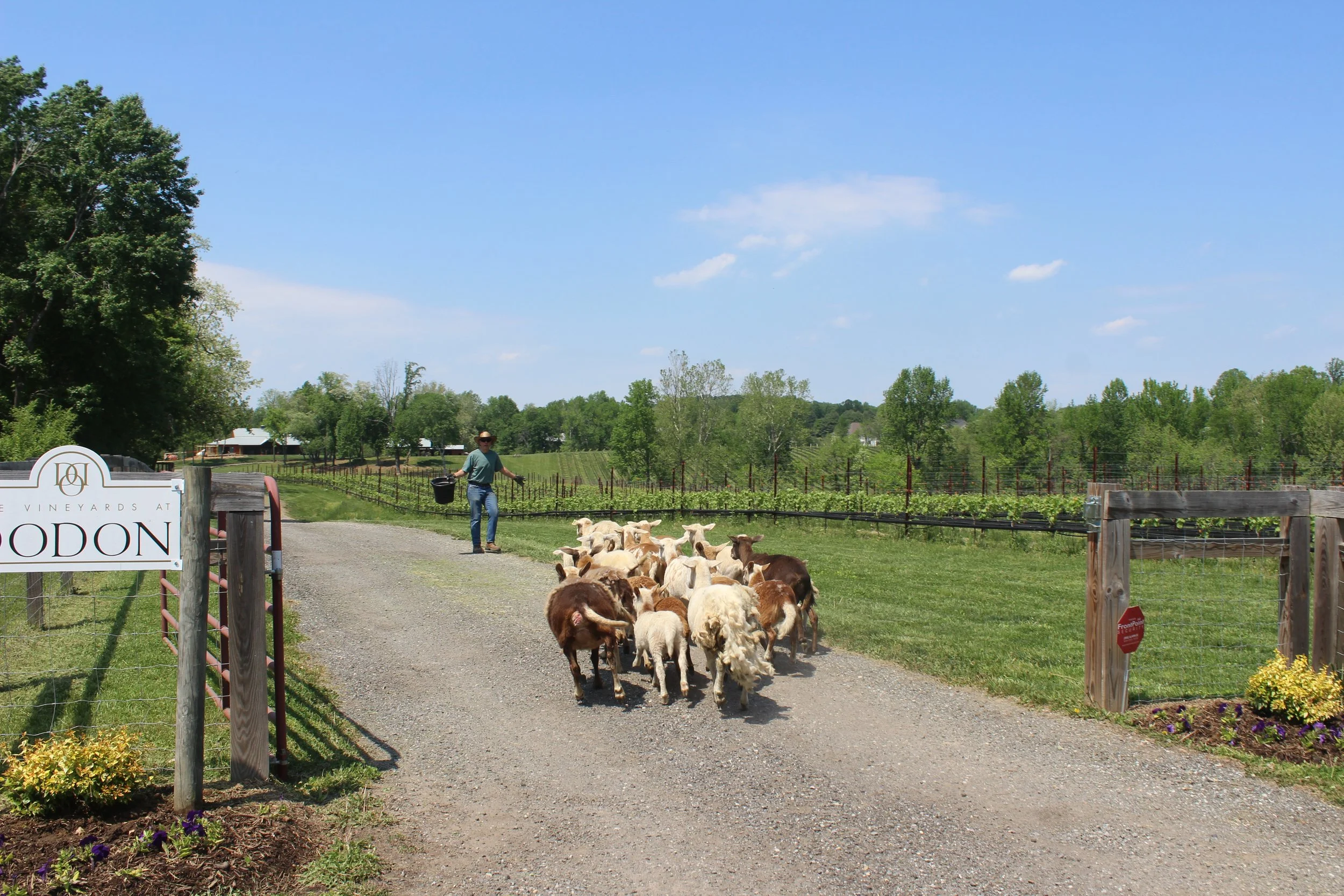
Finally, we integrate herbivorous grazing animals, or ruminants, into the system, supplying the new populations of microbial detritivores necessary for carbon, nitrogen, and phosphorus cycling. Our pasturing method, formally known as adaptive multi-paddock grazing but more commonly called “MOB” grazing, reproduces the evolutionary patterns of early grazers that may have allowed the earth to cool following the mid-Miocene climatic optimum.

Restoring Biodiversity
Loss of biodiversity may be humanity’s greatest threat, even more than climate change. Food production is the primary cause. At Dodon, we seek to reverse this trend and thus enhance the ecosystem services that will allow us to reduce our physical and chemical footprint.
Diverse vegetation in and around the vineyard – between the vine rows and in surrounding meadows, hedgerows, and woodlands – creates a habitat for mixed populations of vertebrate, invertebrate, and microbial life. Beneficial insects, in turn, reduce pest populations, enhance soil structure, and support microbiomes. In addition, highly diverse agricultural systems result in better yield, less pest damage and pesticide use, more carbon sequestration, and higher nutrient density.
Enhancing insect diversity may also benefit grape yield and wine flavor considerably. For example, Nicole Sierra-Rolet, also a member of The Porto Protocol, reports a 30% increase in yield at Chêne Bleu in southeastern France, which she attributes to larger bee populations.
Another colleague, Nuno Gaspar de Oliveira of Natural Business Intelligence, has demonstrated the transfer of native yeasts by butterflies from the surrounding landscape onto the developing grapes during vine bloom. These yeasts can later be found in the fermentations, contributing to the complexity of wine flavor.

To achieve these goals, we encourage native, low-growing grasses and forbs between vine rows by crimping tall grasses that out-compete other desirable species. In addition to their benefits on soil health, terminating these cover crops at bloom releases nutrients from decomposing roots and adds a mulch layer that cools the soil and prevents the spread of soil-borne fungal pathogens.
Pollinator meadows, hedgerows, and other natural areas offer beneficial insects and wildlife food, shelter, and places to breed and raise their young. In 2018, we installed three acres of meadows with 28 native grass and forb species, including Rudbeckia, Asclepias, Solidago, and Heliopsis spp., contributing to ecosystem benefits and season-long beauty. Remarkably, vineyard blocks adjacent to the meadows no longer require treatment for Japanese beetles, a significant insect pest in our region.
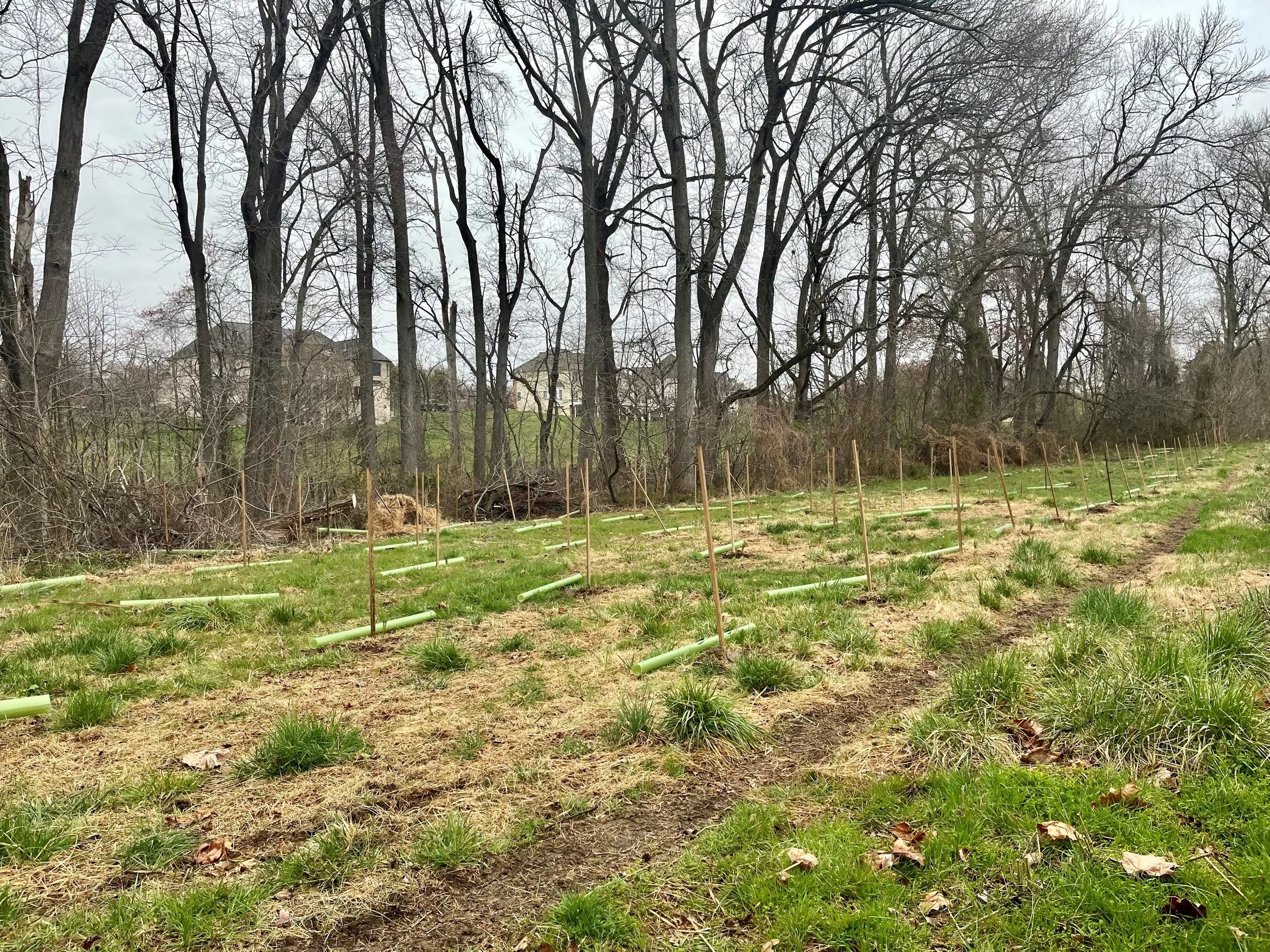
To extend these benefits, we contracted with the Maryland Department of Natural Resources to plant 1600 trees and shrubs as hedgerows this spring. Several species, such as Corylus americana (American hazelnut), Prunus angustifolia (Chickasaw plum), and Castanea pumila (dwarf chestnut), were once essential food sources for the first peoples of our region.
Enhancing Ecosystem Function
During the first meeting of Maryland’s Healthy Soils Advisory Committee, one of the members, an experienced and highly regarded farmer, was surprised to learn that he might have a soil health problem. He had become so accustomed to using fertilizer, pesticides, cultivation, and irrigation that it hadn’t occurred to him that a fully functioning soil ecosystem might reduce or eliminate the need for these inputs.
While we often think of agricultural landscapes solely in terms of food production, they are multifunctional. Farm ecosystems provide a habitat for microbes, insects, and birds that suppress diseases and pests, purify water, and store carbon. In addition, they offer opportunities for recreation and aesthetic beauty. In other words, farm landscapes play an essential role in our well-being.
Restoring these ecosystem functions is not straightforward, however. Returning to the past is neither possible nor desirable. Humans arrived in our region about 8-10,000 years ago when a much colder climate sustained the nomadic hunter-gatherer population. The area remained woodland until European settlers brought plows, smallpox, and novel plants and animals, changing the landscape forever. The pre-European ecosystems would support neither modern human needs nor a vineyard of wine grapes.
Neither will the current agricultural system that is dependent on chemical, plastic, and carbon pollution. So, what to do? We are in uncharted territory without a clear roadmap. Rather than following a prescribed recipe, we observe nature for lessons. How are similar invasive species managed in natural settings? Why have carbon dioxide levels declined in other epochs? How do animals graze in the wild, and what are the consequences?

We believe we are on the right path in choosing the holistic process evoked by Orgel’s Second Rule, “Evolution is cleverer than you are.” It’s a deliberate route, dependent on trial and error at the generational timescales of microbes, insects, plants, soil, humans, and geology. It considers the well-being of people and the organisms with which we share the planet.
Given these constraints, the process is remarkably swift. And it appears less prone to unanticipated consequences than quick technical fixes, the latest trend, or magical thinking.
When planting, we tend to focus on native species of plants that support native insects. Defining native, however, is complex. Take narrow-leaf plantain, for example. This naturalized “weed” is native to Great Britain. Unlike more invasive species like Johnsongrass and multiflora rose, it has integrated well, providing diversity, nutrients for butterflies and bunnies, and medicine for people without overwhelming the landscape.
Most people consider narrow-leaf plantain a native, recalling hours of shooting the seed heads during childhood. Immigrants – plants, insects, and people - can add wonderfully to our lives, a lesson in reciprocity we would do well to understand.
We planted the oldest vineyard blocks in the east vineyard fourteen years ago. From the beginning, we confined tillage to the area under the vines, eliminated herbicides, and planted several species of tall fescue as a cover crop. Following the difficult 2018 vintage, we intensified the effort by adding multispecies cover crops, initiating the compost program, and integrating sheep.
As a result of our effort, we’ve observed better soil structure and water infiltration during increasingly frequent extreme rain events. Soil organic matter has increased 10-fold, representing about 2500 tons of sequestered carbon dioxide. We reduced insecticide use by 70% and fungicide use by a third. Meanwhile, increased plant phytochemical levels, such as ascorbic acid, produced resistance to pest pressure and better wine.
Looking Forward
While our early results are promising, the long-term is not assured. Globally, the challenges associated with greenhouse gas emissions, loss of biodiversity, chemical and plastic pollution, and eutrophication are compounding. Our methods may help us temporarily adapt to a changing climate. Still, they will only reverse the underlying trend if applied broadly and combined with dramatic changes in how we produce energy and use land.
The most recent report from the Intergovernmental Panel on Climate Change makes clear that the climate crisis has resulted in crop failures, food shortages, and hunger, even as conventional solutions worsen the problem. The report calls for the radical transformation of agriculture using the agroecological tools we employ at Dodon.
The lesson of the Dodon story is that while these methods often deviate from established practice, they are feasible and seem to help. We’ve learned to discard an either/or mentality to find values-driven, integrated solutions that benefit the environment, the community, and the company. It tells us to farm with intention, purpose, and gratitude. Our obligation, and our privilege, is to tell this story.


2020 Vintage Check-in
The year started normally enough. The autumn had been good to us. Warm weather, absent the extreme rain of 2018, meant healthy vines entered dormancy. We enthusiastically embraced new cover crops, created a novel composting program designed to stimulate mycorrhizal fungi, and bought a flail mower to mulch vine pruning wood in the vineyard.
The year started normally enough. The autumn had been good to us. Warm weather, absent the extreme rain of 2018, meant healthy vines entered dormancy. We enthusiastically embraced new cover crops, created a novel composting program designed to stimulate mycorrhizal fungi, and bought a flail mower to mulch vine pruning wood in the vineyard.

The front of house team was equally buoyant. We established new partnerships with restaurants throughout the region, negotiated with distributors who could expand our reach beyond the Baltimore/Washington/Annapolis triangle, and looked forward to enhancing our onsite hospitality.
We had even managed to find an exciting solution to the challenging 2018 red wines, partnering with our friends at McClintock Distilling to produce an interesting fortified wine that will, after aging in barrel for a few years, offer a delightful after-dinner alternative from Dodon.
The concerns for the upcoming vintage were either familiar – the winter was too warm - or seemingly distant – the expanding infestation of spotted lanternfly. We have learned to mitigate the detrimental effects of these threats. We were also poised to turn our first-ever profitable year. Even climate change and reports of a new viral pneumonia in China looked remote.
A Different World
The optimism that propelled us into 2020 now feels like a different world from the one we now inhabit.
The pandemic-related challenges that we face - revenue loss, higher expenses, the health of our employees and their families - across all segments of the operation are the same as those that face many similar small businesses. Despite these challenges, and sometimes because of them, there have been many rewarding moments.
Curbside pick-up, drive-through, and home delivery have been very popular. The largest source of revenue, about half, comes from these direct-to-consumer sales for off-premise consumption. It is enormously rewarding to think that the wines bring you pleasure, satisfaction, and fond memories. The entire team is very grateful for the response of our club members, which will allow us to make payroll and purchase essential supplies through the summer.
Our other sources of revenue – club hours, Dodon ‘til Dusk and other events, tours and tastings, and sales to restaurants and shops - have vanished. Although wine shops are still open, their sales tend to “big box” brands at the expense of small-production wineries like Dodon. After brisk sales in January and February, we have sold just three cases of wine to shops since then.

On the production side, we replanted 1,500 vines to replace those that have died over the past 10 years. The slow start to the season has given us extra time for under vine weed control, and we have added new native plant gardens around the winery. Two significant frost events have required additional shoot management. We do not yet know the full effects of the frost, but I estimate that white wine production will be a little less than half of what we projected. Red production, however, looks like it will be only slightly reduced.
Of late, there have been some darker burdens, apparently based on the mistaken belief that Polly’s brother, currently the Anne Arundel County Executive, owns the winery (he does not) or has made policy decisions to benefit us (he has not). Hoping that county businesses will open faster, a few people made hostile comments on a private Facebook page - threatening the vineyard with “a case of the roundup,” to “burn his [expletive] down,” to “turn [Annapolis] harbor into red wine,” and even “a dirt nap” - that frightened us. These comments also caught the attention of the police who have enhanced security for the farm.

Looking Forward, Staying Well
We do not know exactly what the future will hold. Drawing on my public health experience, Regina, Alley, Polly, and I conducted a “table-top” exercise to understand alternative scenarios and determine how the vineyard operation can keep going over the next few years no matter which occurs.
The least likely scenario - that the pandemic will end quickly, either spontaneously or from a medical magic bullet – would allow a return to business as usual sometime soon. All other scenarios involve some degree, large or small, of risk that will require careful planning. Above all else, we want our visitors to stay well and to feel safe when they visit. My disposition is to be overly cautious, not cavalier, this season.
Because the plants and animals continue to need tending, we first focused on the safety of Dodon’s production and front-of-house staff by updating our standard operating procedures with information on personal health and hygiene, maintaining a clean workplace, physical distancing, and shared tools and equipment. We have also hired additional vineyard staff to mitigate concerns that several of us could become ill or require quarantine or extended isolation.
Our next task is to meet the needs of club members. We plan to continue curbside operations, home delivery, and enhanced club discounts for the foreseeable future. Because we have plentiful outdoor space, our reopening plan has started there. Regina is finalizing procedures for extended club hours when we can have them.

While we have spent many hours reading and attending webinars to understand the appropriate safety procedures, we would be very grateful for your input on what you believe will give you confidence that you will be safe when you visit us. Please leave your ideas in the comment section or send an email to Regina. We will be publishing these plans very soon as it seems likely that outdoor dining and related activities will soon be allowed.
It is unlikely that Dodon will host this year any indoor events, including tours and tastings, dinners, or private gatherings, and we doubt that restaurants will fully recover quickly. In the long run, we will thus need to increase direct to consumer sales to keep going.
To accomplish this goal, we have set up a small studio in the Collectors Room for virtual tastings. Those who have participated in these seem to have enjoyed them tremendously. It is a wonderful way for friends and colleagues to gather and spend some time together, and it will help introduce Dodon to those who do not know us.
Beyond our own needs, Dodon is part of a larger community, one that has largely pulled together in mutual support during the pandemic. We recognize that while it has created challenges for us, many are having a much harder time than we are. We have thus offered to serve as a pick-up location for local farms that have also lost their restaurant markets, established a donation program, and extended club benefits to the hospital and food workers that have supported us.
How we interact with each other may be different this year, but the essence of the Dodon experience – warmth, rustic elegance, and impeccable service – will, we hope, be familiar to you when you visit. Like our annual dances with nature in the vineyard, curiosity, critical thinking, redundant systems, planning, and humility will sustain us.
From all of us, please be safe and stay well.
Climate Change, Part 1: A Christmas Wish
Polly and I are spending the holidays with our granddaughter, Juana Magdalena, in a little town called City Bell, just east of Buenos Aires. Polly’s three daughters are all here too, almost as much fun as Juana. As the summer solstice passes, our days are filled with family, exercise, asados, newspapers, a bit of sightseeing, and, for me, Spanish lessons. There is a fruit and vegetable farm within walking distance, and freshly butchered meat and chickens on the way, with none of the planting, weeding, feeding, watering, and picking chores of farm life.

Polly and I are spending the holidays with our granddaughter, Juana Magdalena, in a little town called City Bell, just east of Buenos Aires. Polly’s three daughters are all here too, almost as much fun as Juana. As the summer solstice passes, our days are filled with family, exercise, asados, newspapers, a bit of sightseeing, and, for me, Spanish lessons. There is a fruit and vegetable farm within walking distance, and freshly butchered meat and chickens on the way, with none of the planting, weeding, feeding, watering, and picking chores of farm life.
The family time also allows us to reflect on this new grandparenting stage of life. We intensely appreciate the diverse beauty and richness of the world as we experience the munificence of family, friends, and colleagues. Building on the knowledge of a hundred thousand years of evolution and the gifts of our parents and grandparents, we can learn and debate, try to understand the universe and our place in it, and create beauty through art, literature, music, and winemaking. As at the farm, I awaken each morning profoundly grateful for these gifts.
And yet, I wonder, as all grandparents must, what kind of a world Juana will inherit.
The world has changed a great deal in my lifetime, mostly for the better. In his recent book, Enlightenment Now, Steven Pinker has documented the extraordinary progress we humans have made to improve health, safety, family incomes, and life expectancy; expand democracy, education, and equal rights; and reduce poverty, hunger, and violence.
This progress extends to many environmental challenges, especially those that are visible to the naked eye. The Chesapeake Bay is (slowly) getting cleaner, acid rain has declined, and bald eagles have returned. Deforestation of the Amazon has slowed, the amount of protected terrestrial and marine habitat has increased, tankers spill less oil, and the ozone hole is getting smaller. This progress, Pinker argues, is the result of activism, legislation, regulation, technological innovation, and global cooperation, and it leads Pinker to be optimistic about the future.
Yet there are enormous challenges ahead. For most of the past 420,000 years, atmospheric carbon dioxide levels remained below 300 parts per million (ppm). They started climbing during the industrial revolution, reached 315 ppm when I was born and now exceed 400 ppm. The average temperature in Anne Arundel County has climbed from 55.4 degrees F to 56.9 degrees in my lifetime. Multiple reports, including those from the Fourth National Climate Assessment and United Nations Intergovernmental Panel on Climate Change describe the expected rise in temperature and sea level, destructive storms and fires, increases in mosquito and tick-borne diseases, and declining agricultural output. Our experience during the 2018 vintage is perhaps an ominous preview.
But these challenges, as significant (and devastating) as they might be, don’t reflect all the vitality and beauty of the ecosystem in which we live and the danger it faces from climate change. In Yellowstone Park, native plant species are being replaced by invasive cheatgrass, reducing forage for wildlife. On the Galapagos Islands, increasingly frequent El Niño conditions block the flow of nutrients that feed plankton, threatening penguins, marine iguanas, and even Darwin’s finches. The number of insects has declined, at least in some parts of world, by more than 75% because of habitat loss and intensive use of pesticides.

The rapid loss of plant and animal species is frightening. For example, what would happen if there were no pollinators? It turns out that life without them can endure, but it may not flourish. After overuse of pesticides eliminated bee populations decades ago, growers in the Maoxian Valley of Himalayan China hand-pollinate hundreds of thousands of apple and pear trees. Because fewer pollen-donor trees are required and humans effectively pollinate 100% of the flowers (bees only pollinate about 30%), yield per acre increases. Because they don’t need to worry about killing beneficial insects, these growers can use more insecticides to produce the unblemished fruit that brings high prices.
If efficiency, defined by higher yields and prices per unit of input, is the goal, then hand-pollination is the way to go when human labor is cheap and plentiful. Moreover, the image of an entire village turning out every spring to pollinate the region’s crop, each person brushing the flowers on 10-12 trees each day, conveys a certain sense of nobility and identity. Despite these advantages, this world seems sterile, lacking complexity, balance, depth, interest, and resilience, and our experience growing wine suggests it does not result in the best fruit. Likewise, most apple producing areas of the Himalayan region have chosen to reestablish pollinator populations and have not followed the path taken in the Maoxian Valley.
As humans, we cultivate our own welfare, and hopefully produce the best wine, by enhancing the health, diversity, and abundance of life around us, and not by disrupting ecosystems, destroying large sections of habitat, or raising animals in confinement, methods that might have more immediate financial return but don’t reflect their true economic costs. My Christmas wish is that Juana will find the beauty and strength that comes from being part of an interconnected whole, sheltered and nourished by nature, and that she will use her compassion, ingenuity, and knowledge to enrich the ensemble of the soil, water, air, plants, animals, and people that surround us.
August Updates
The bird nets are all up, so our attention is quickly turning to preparing to bottle 800 cases of wine this Friday, August 18. I’m excited about all the wines, especially the 2015 Oronoco and Dungannon. We’re also getting ready for the harvest. The season has been shaping up nicely. Veraison came early, July 20 in Block 40 (Merlot), and went quickly, with superb uniformity across all the blocks. This means that the fruit will ripen evenly and allow us to fully extract all the flavors, always an exciting prospect for a winemaker. The modest rains have kept the wines in peak condition, allowing photosynthesis to work its magic, as have the cooler temperatures with lots of clear sunshine.
Dodon Welcomes Seth McCombs Polly and I are very pleased to introduce Seth McCombs as Dodon’s new Assistant Winemaker. Seth comes to Dodon with 15 years of vineyard and winery experience in Virginia and North Carolina. Born and raised in Lynchburg, Seth started in 2002 in the laboratory at Chateau Morisette where he quickly developed his passion for wine and, like most of us in the industry, learned many parts of the wine business outside his job description. In 2006, he moved to Raffaldini Vineyard and Winery, where he served as Assistant Winemaker, and then in 2011, he became Winemaker at AmRhein Wine Cellars, where he was responsible for a 30-acre vineyard as well as cellar operations. While at Raffaldini, Seth studied Enology and Viticulture at Surry Community College. He was most recently Winegrower at Capstone Vineyards in Linden, Virginia.

Dodon's new assistant winemaker Seth McCombs (left), Tom (middle), and BJ (right), harvest intern, prepare for bottling.
All of us on the Dodon team are thrilled that Seth and his family – Stephanie, Arlo, and Maggie - have been able to join us mid-season for the 2017 harvest, and we hope many more. You will quickly recognize them for their outgoing, easy-going spirits and the fastest smiles in the Mid-Atlantic.
We will, of course, miss former vineyard manager Nick Maliska, who has taken a cellar position at Pritchard Hill’s Ovid in Napa Valley. Nick was with us during a period of rapid evolution and growth. We wish Nick, Lizzie, Sophie, and Loie all the best in the next phase of their wine journey.
Brief Vintage Update The bird nets are all up, so our attention is quickly turning to preparing to bottle 800 cases of wine this Friday, August 18. I’m excited about all the wines, especially the 2015 Oronoco and Dungannon. We’re also getting ready for the harvest. The season has been shaping up nicely. Veraison came early, July 20 in Block 40 (Merlot), and went quickly, with superb uniformity across all the blocks. This means that the fruit will ripen evenly and allow us to fully extract all the flavors, always an exciting prospect for a winemaker. The modest rains have kept the wines in peak condition, allowing photosynthesis to work its magic, as have the cooler temperatures with lots of clear sunshine.
The yields look excellent, just where we expected them. As usual, the Sauvignon is likely to be the first pick, probably the end of August, followed a week or so later by the Chardonnay. I’m looking forward to having new clones of each of these varieties come into production this year, especially the musqué clones that will add significantly to the aromatic character of the wines. Steve Blais, our consulting winemaker, and Lucie Morton, our viticulturist, are planning to visit the third week in September, just in time for the first Merlot pick.
So far, so good. Mother Nature has been smiling. We're excited by the vintage.

Occasional Notes
The growing season officially started Monday with bud break in the Nebbiolo in the experimental vineyard, and a few Chardonnay in block 9 (the third leaf vines) of the commercial vineyard. It’s always exciting, accompanied by both celebration and a touch of angst.
The growing season officially started Monday with bud break in the Nebbiolo in the experimental vineyard, and a few Chardonnay in block 9 (the third leaf vines) of the commercial vineyard. It’s always exciting, accompanied by both celebration and a touch of angst.

I’ve been asked quite a bit about the effects of March’s cold spell. The short answer is that it delayed vine phenology, reducing the risk that a late season frost would cause bud damage. It also gave us time that would otherwise have been lost to the warm winter to finish pruning.
But as always with nature, the longer answer is much more complicated. False springs, like the period that preceded the March cold spell, are increasingly common, and they can be very disruptive to balance in the vineyard. At Dodon, we’re especially concerned about the consequences on pest control. For example, insect pests like grape berry moth are more likely to survive winter, hatch earlier, and have more generations during the growing season, but natural predators do not necessarily keep the same schedule. Increasing insect species diversity, which we hope will mitigate these pest/predator timing mismatches, is the chief motivation for Dodon’s new cover crop project. It will take a few years to get established, but in the coming years, crops like mustard, buckwheat, cowpeas, and bachelor buttons may be as common as grapevines in the vineyard. As Bob Cannard says, “Half for you, half for nature.”
Our ancestors probably knew much more about maintaining balanced ecosystems than we do now. I’m often reminded about how much wisdom we’ve lost, most recently by a remarkable report published in Nature. Sequencing the DNA from the calculus of 40,000 year old Neanderthal with a dental abscess revealed evidence of salicyclic acid (the active ingredient in aspirin) and Penicillium (the fungus that produces the antibiotic penicillin). While we can’t know for sure, Neanderthals appear to have learned to use the tools at hand as very sophisticated medical treatments, knowledge that we subsequently lost only to rediscover, and then overuse, in the post-Pasteur era.

Winter 2017 Update
Winter is pruning time, and no matter how long we think it will last when viewed from November, the season always passes too quickly. There are lots of competing demands, and sometimes, like this year, it is cut short by warm weather. But like all cultural practices in the vineyard, we don’t cut corners.
Winter is pruning time, and no matter how long we think it will last when viewed from November, the season always passes too quickly. There are lots of competing demands, and sometimes, like this year, it is cut short by warm weather. But like all cultural practices in the vineyard, we don’t cut corners.
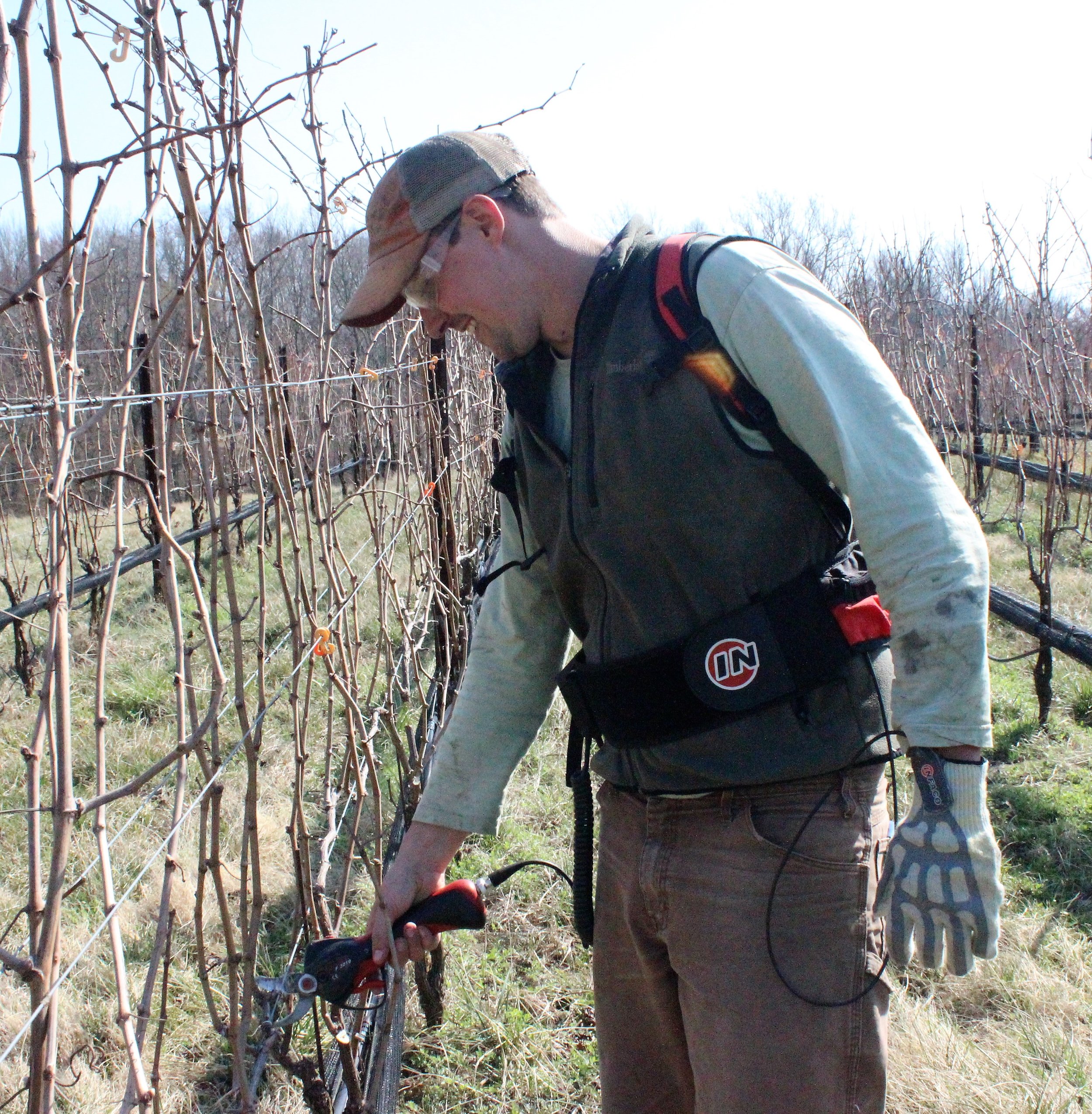
Pruning is a critical task that helps regulate vigor and yield for the coming season. At Dodon, we typically remove as much old wood as possible, using a technique known as cane pruning to reduce levels of fungal inoculum. Assuming the vines were balanced during the previous season, this method assures optimal shoot spacing and the number of fruitful buds per vines. Beyond these basic principles, that are lots of decisions to be made. For example, we always wonder whether to leave an “insurance cane” that would provide extra buds in the event of extraordinary cold that can kills buds during the height of winter.
But now winter is merging into spring, and the vineyard team is rushing to finish pruning and tying the vines. The warm weather has made the work pleasant enough, but to be honest, we would prefer biting cold and snow until late March. By keeping the soil cold, these conditions help maintain dormancy and delay bud break until later in the season when there is less risk of damage from a late season frost. We’ve also noticed that cold soil helps synchronize bloom across varieties, a significant work saver in early June when things are busy in the vineyard. By killing eggs and larva, very cold weather also reduces insect pest pressure throughout the season. All told, we’re glad to see a week or two of colder weather in the forecast.
Happy New Year
Happy New Year! We just left the cellar, sniffing, tasting, listening, and stirring one last time in 2016. The ‘16 vintage is coming around nicely. The Sauvignon Blanc and Rosé are developing the flavors and weight that characterize the Dodon site. They’ll be ready for bottling March. The Chardonnay has finished themalolactic fermentation and is settling in for its year-long elévage. The primary fermentations (the conversion of sugar to alcohol) are yet to finish in the reds, but the familiar snap, crackle, pop from the bung hole prove the yeast are still working.
Happy New Year! We just left the cellar, sniffing, tasting, listening, and stirring one last time in 2016. The ‘16 vintage is coming around nicely. The Sauvignon Blanc and Rosé are developing the flavors and weight that characterize the Dodon site. They’ll be ready for bottling March. The Chardonnay has finished themalolactic fermentation and is settling in for its year-long elévage. The primary fermentations (the conversion of sugar to alcohol) are yet to finish in the reds, but the familiar snap, crackle, pop from the bung hole prove the yeast are still working.
The rest of the team has been off the past week to spend time with their families after the bustle of the season. The quiet and calm of the cellar, and the repetitive task of stirring each barrel is the perfect time to reflect on why we make wine. It is a challenging and humbling job. While the seasonal rhythms are comforting, nature is a powerful force and dictates the timeline. There are no choices; we have to be ready for each season. Learning to live in harmony and balance with nature’s forces will take a lifetime, and it’s not something we will ever fully understand.
Why do we do it? Well, we love the challenge of learning to live with nature. But mostly we appreciate the connections with people. We’ve made many new friends this year. The diversity of our wine club members is stunning – scientists, diplomats, business people, environmentalists, farmers, musicians, even an archeologist who has restored a winery that is more than 4000 years old. And our Dodon team is growing as we increase production. Regina Mc Carthy (and her family) joined Dodon this year as the Director of Client Services; Steve Blais from Pomerol became our new consulting winemaker; and we hired a new vineyard associate, Mario Amaya-Rubio. Two newborns- Roberto’s daughter, Jacabeth, and Nick’s daughter, Lois – are of course the best of the ‘16 vintage. Each child reminds us that we are simply stewards, not owners, of land borrowed from the next generation. Good wine brings us together to talk, to learn, and to understand, all while enjoying the beauty that nature gives us. This is what wine does best.
We are thankful for the opportunity to make wine for you, we are grateful to all who have joined us at Dodon over the past year, and we very much look forward to spending 2017 with you.
All the best for the new year.

News from the Vineyard: A June Update
The Bordelais say that the quantity of the vintage is determined in June and its quality is determined in September. That’s not quite true, but now that we’ve finished bloom and the fruit has set, we have a good sense that that the 2016 vintage will be on the small side. It started with the early bud break at the end of a very warm March, followed by two hard freezes in early April, and then cool, wet weather through the rest of April and most of May. The necessary handwork in the vineyard was unpleasant, and managing the tractors was tricky and sometimes dangerous.
The Bordelais say that the quantity of the vintage is determined in June and its quality is determined in September. That’s not quite true, but now that we’ve finished bloom and the fruit has set, we have a good sense that that the 2016 vintage will be on the small side. It started with the early bud break at the end of a very warm March, followed by two hard freezes in early April, and then cool, wet weather through the rest of April and most of May. The necessary handwork in the vineyard was unpleasant, and managing the tractors was tricky and sometimes dangerous.
Despite our best efforts, there was a great deal of bud loss during the freezes, especially in the Merlot blocks, that reduced the overall size of the crop by 30-50%. Keeping these vines balanced will be a challenge for the rest of the year. The cool stretch in April and May compounded the problem by inhibiting fruit set. This year, most of our clusters are tiny. The silver lining is that tiny clusters tend to be loose, reducing mildew pressure on each berry. And we’ve had fantastic weather during bloom, which reduces the likelihood of botrytis as harvest approaches.
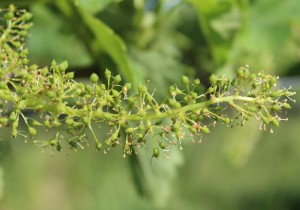
But here is where June can influence quality as well as quantity. Each node in a grapevine has three buds. In good conditions, the primary develops into a mature shoot, sets two to four clusters depending on the variety, and results in uniform ripening. If for some reason the primary buds don’t develop, the secondary buds mature and set one or two clusters that ripen a week or two after the clusters on primary buds. Tertiary buds only mature when the others do not, and they do not produce fruitful shoots. Because of the cold weather, many of our vines have a mix of primary and secondary shoots, which means that ripening will not be uniform come harvest.
There are several approaches that we can take to minimize the challenges to quality in this situation. One is to drop the secondary clusters now, just after fruit set, when it is easy to distinguish primary from secondary shoots, but this risks excess vigor in the canopy. Foliage that is not balanced by the proper amount fruit results in methoxypyrazines that in turn lead to vegetal flavors, such as green pepper or asparagus, in the wine. The next option, the most likely, is to drop clusters that are slow to ripen at veraison. The third is to harvest from each vine twice, selecting only those clusters that are fully ripe each time. The fourth is to allow the clusters on the secondary clusters to “catch-up,” which usually happens very late in the year if we can let the fruit hang long enough. These last two options preserve the quantity of fruit harvested but are difficult to implement well.
We’ll have to keep a watchful eye out all season to see how things develop. As our friend Claude Bourguignon said, our challenge and our opportunity rests on our ability to be clever in the vineyard.