
Vineyard
30,030 vines planted on 17.2 acres since 2010
Merlot: 7,950 vines on 4.7 acres
Cabernet Franc: 4,510 vines on 2.6 acres
Cabernet Sauvignon: 2,521 vines on 1.5 acres
Petit Verdot: 1,615 vines on 1 acre
Sauvignon Blanc: 9,084 vines on 5.1 acres
Chardonnay: 4,350 vines on 2.5 acres
First vintage: 2011
Significance of planting/growing techniques
· Agroecological methods improve soil health, restore ecosystem functions, and build resilience
· Diverse, native cover crops sequester carbon, assemble a functioning microbiome, and improve soil structure
· Compost composed of primarily of ramial woodchips, grape marc, and duckweed, and inoculated with indigenous microorganisms from the surrounding woods feeds a healthy microbiome and brings arbuscular mycorrhizal fungi, crucial for vine nutrition, into the vineyard
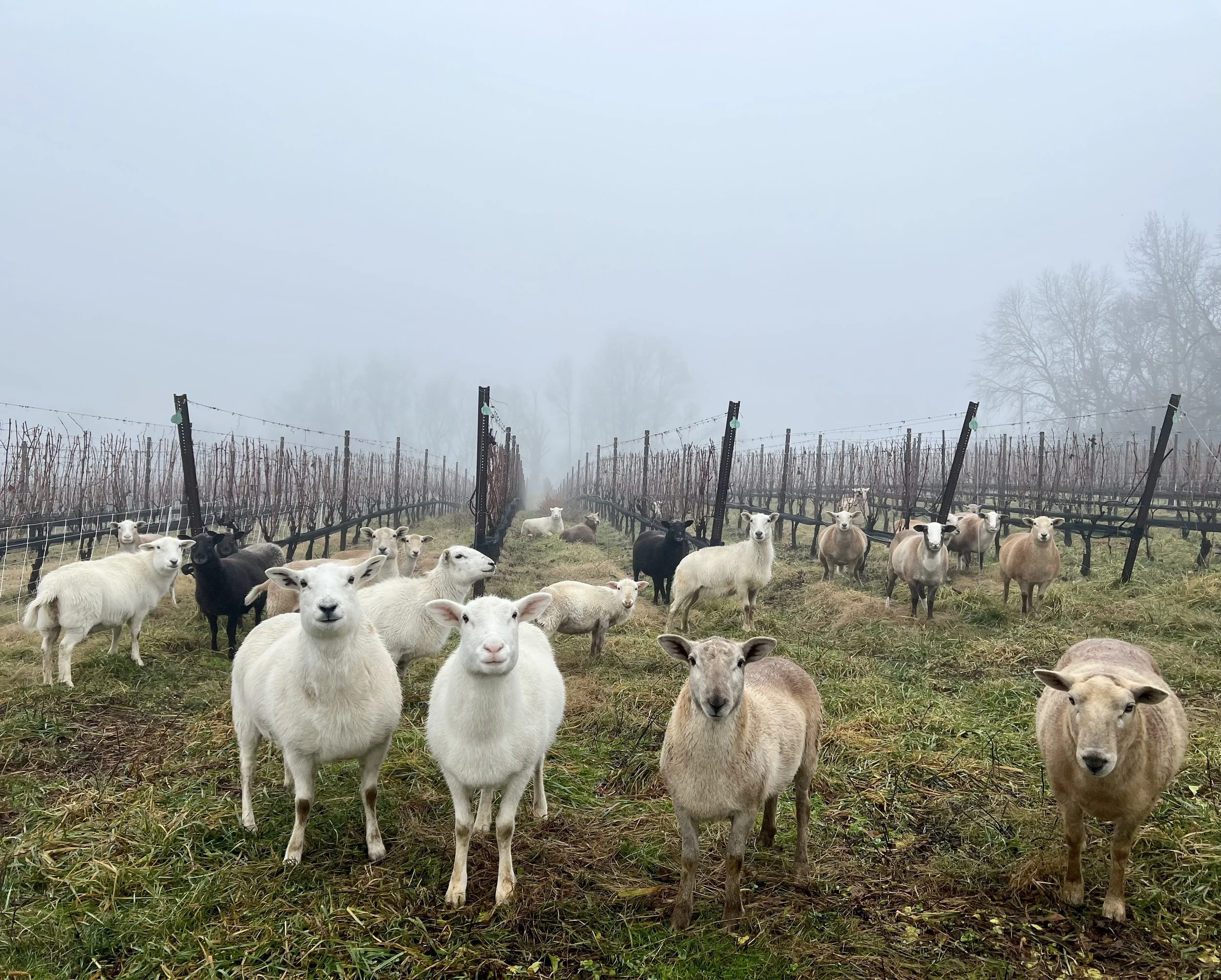
· Adaptive ruminant grazing in and around the vineyard reduces weed pressure, restores plant diversity, and builds a diverse population of detritivores, enhancing nutrient cycling and availability
· Native shrubs, wildflower meadows, and hedgerows around vineyards restore insect diversity and balance
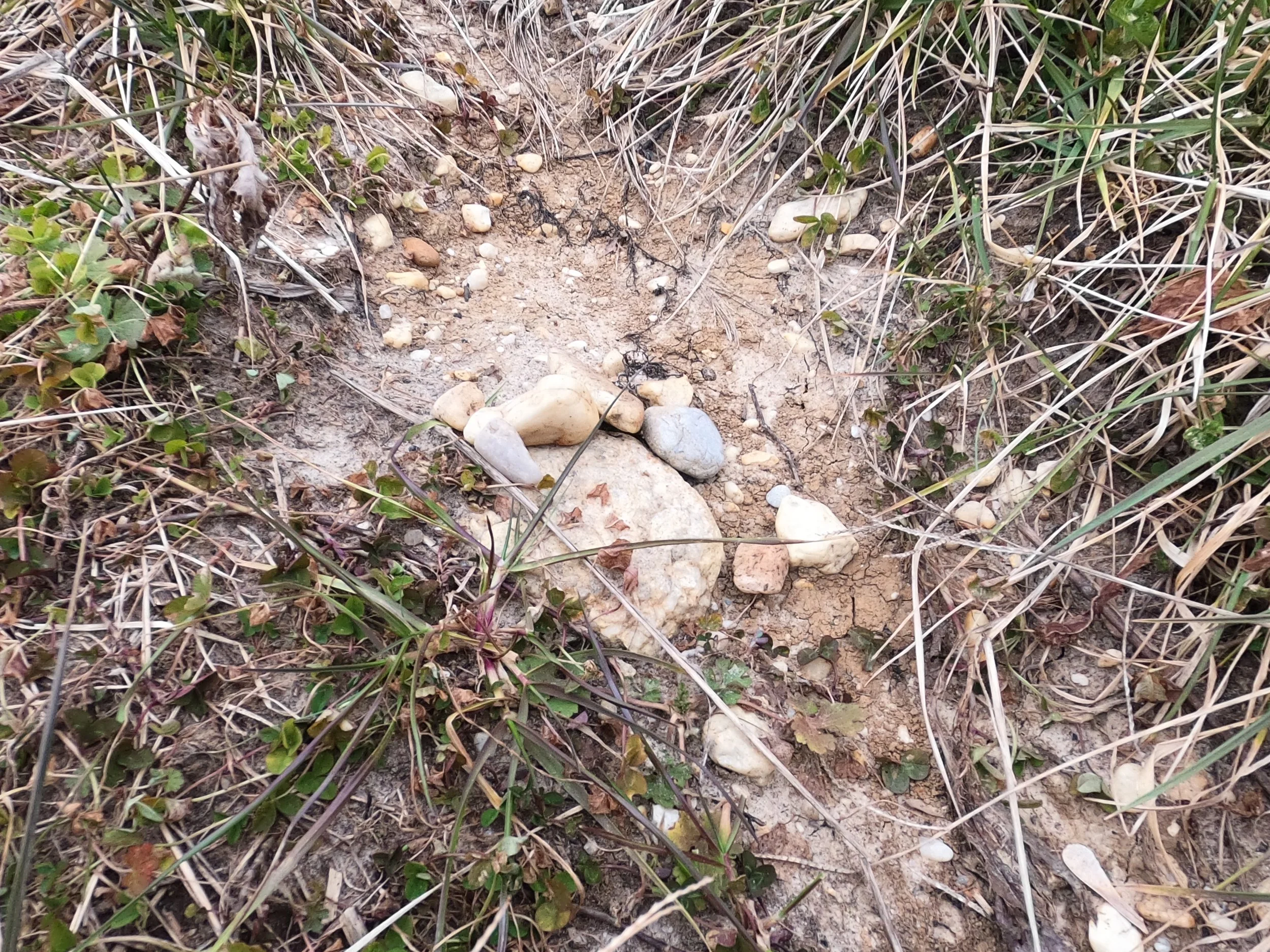
Dodon Series Soils in South Slope Vineyard
About Dodon SOILS
Dodon has a diverse hilly topography and sandy loam “Dodon Series” soils that are well suited to wine grapes and wine.
The vineyards are characterized by deep, well-drained soils, renamed the “Dodon Series” in 2003 by the USDA because of their distinctive characteristics. As ultisols, Dodon’s soils age quickly and readily leach available nutrients, including nitrogen, calcium, and magnesium. These characteristics make them marginal soils for most agricultural crops, but they are suitable for grapes and impart distinctive balance, aromatics, minerality, and texture. More information can be found here and here.
The mineral component of Dodon soils is largely composed of marine sediments from the mid-Miocene when highly dynamic sea levels transgressed the western shore uplands on at least three occasions. During the Pleistocene, rivers transported diverse igneous and metamorphic rock material from the Appalachian Mountains to the west. The result is a highly diverse minerals that add to the complexity of the wines. More information can be found here.
Historically planted in field crops and tobacco, including Oronoco tobacco, Dodon’s soils were largely devoid of topsoil and organic matter in 2010 when the vineyards were first planted.
About Dodon’s CLimate
Dodon has a humid subtropical climate that is strongly influenced by the Chesapeake Bay and the Atlantic Ocean, features that reduce the risk of frost and moderate temperatures during ripening.
Carbon pollution has brought an increasing number of high-volume downpours, prolonged drought, and other extreme weather events, especially hurricanes.
Dodon takes active measures to mitigate the consequences of extreme weather and sequester carbon. More information can be found here and here.